Design
Content
Publish
Overview
Goldfish is not a moodboard platform. It’s a private taste ecosystem: a system that transforms the things you save into:
A weekly cultural rhythm.
An evolving portrait of who you are becoming.
The project explores a very different relationship with inspiration.
Instead of “Look at the life you don’t have” goldfish asks “What do the things that genuinely move you say about the person you are becoming?”. That shift became the emotional foundation of the product.
Role
Founding Product Designer
Deliverables
0→1 MVP
Product Strategy
UX/UI Design
"Vide coding" 💅
Tools
Figma
Replit
Lovart.ai
Timeline
01/04/2026 - 25/06/2026
The Problem
Aspiration through inadequacy. You open the app looking for inspiration and leave feeling behind.
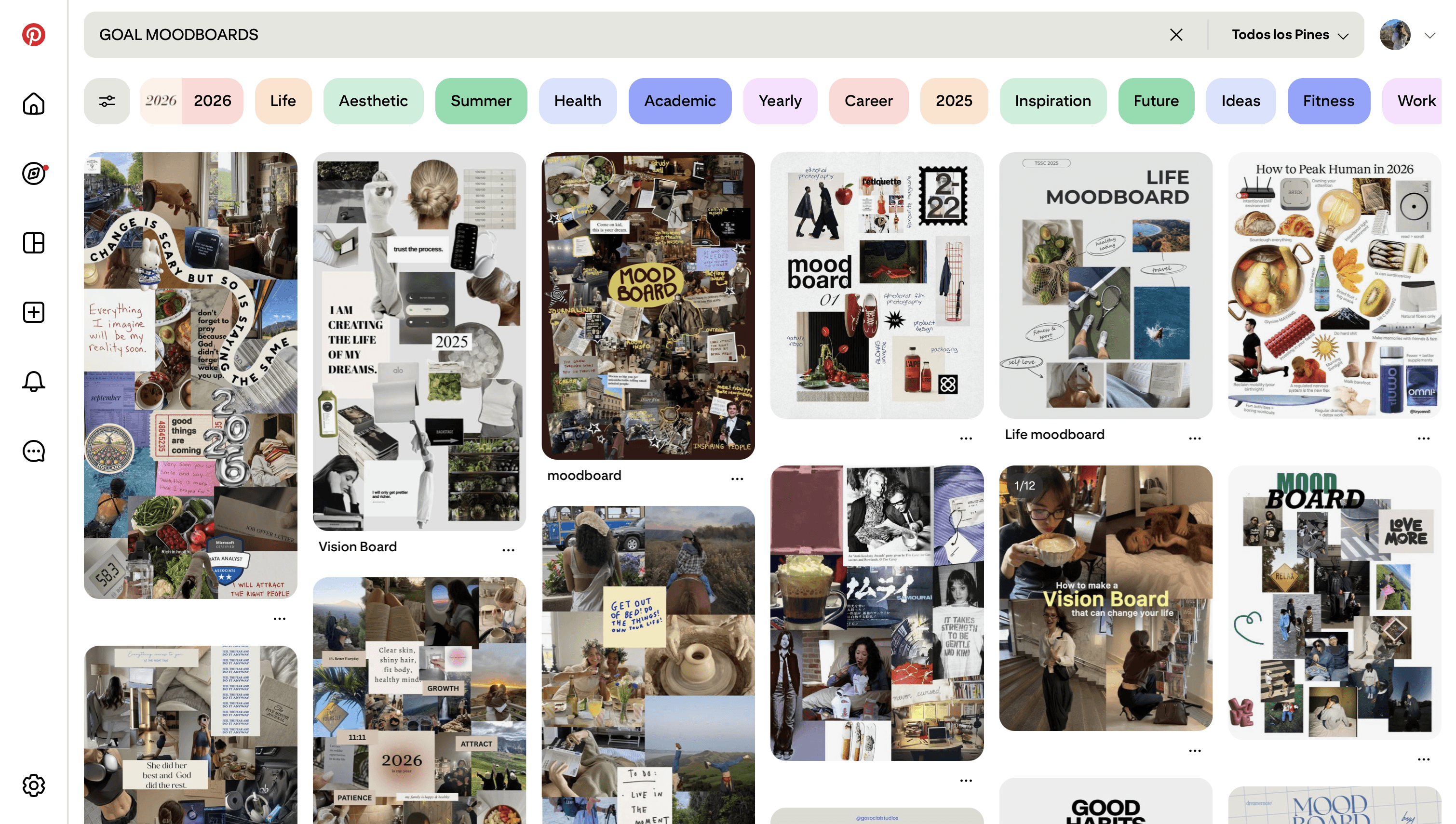
Most platforms today monetise insecurity. The more time I spent on platforms like Pinterest and Instagram, the more I realized their entire architecture depends on a very specific emotional loop:
Even “moodboarding” started feeling performative. People weren’t curating taste anymore. They were curating proximity to an idealized life.
The Core Insight
Most platforms optimiz for:
attention
consumption
aspiration
Goldfish optimizes for:
reflection
taste formation
identity construction
The product is built around a simple behavioral truth:
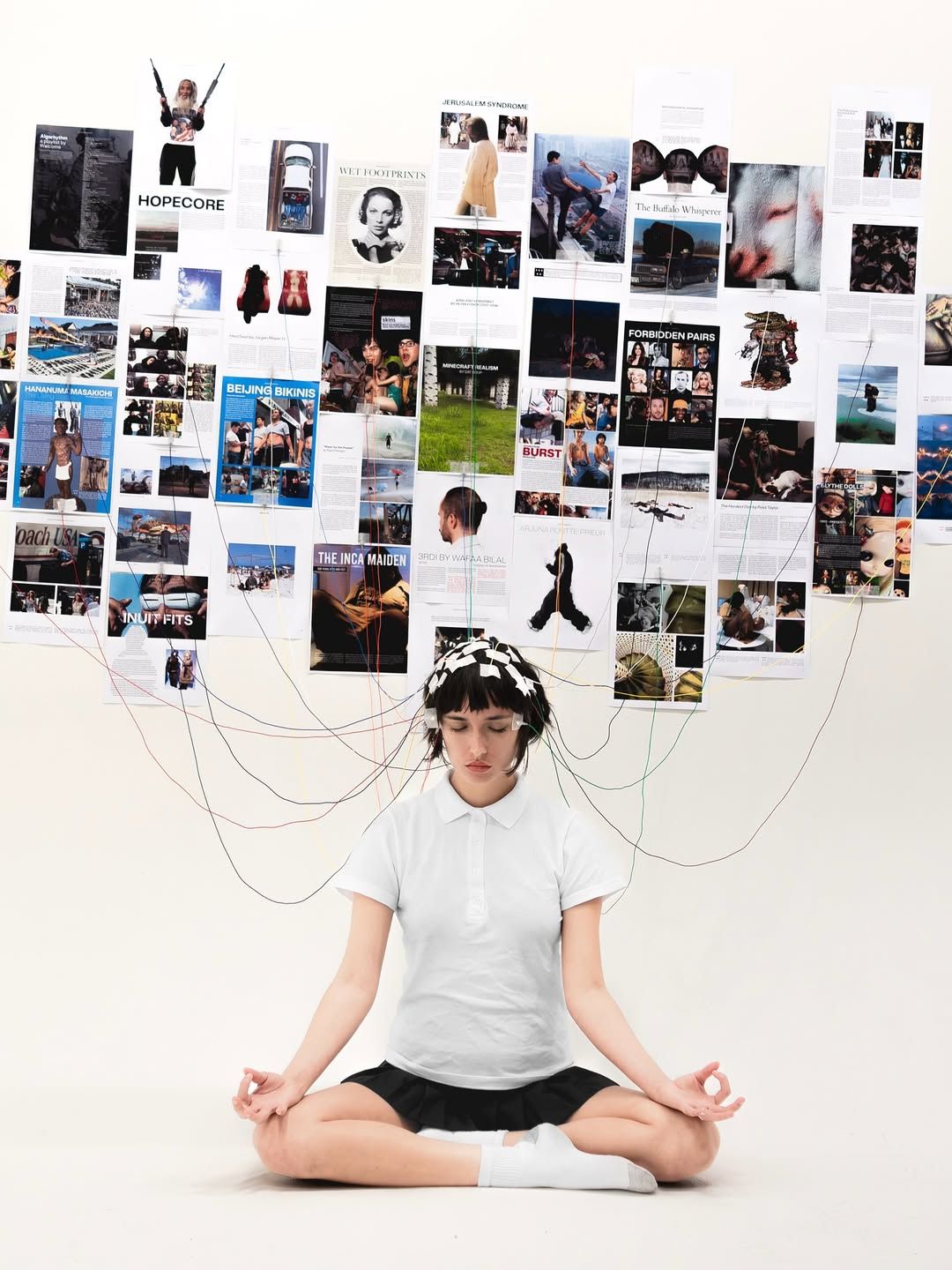
People save things because they feel emotionally, intellectually, or aesthetically pulled towards them, a tutorial, a podcast episode, a recipe… Together, those references form a much more honest picture of someone than social media ever could.
Not the person they perform as. The person they are slowly becoming.
Reframing Inspiration
You are a fish evolving through curiosity.
The product is structured around a metaphor.
The more you save, consume, revisit, and connect:
the larger your waters become
the richer your ecosystem becomes
the more your identity evolves.
Visual Direction
I wanted the product to feel: curious, intimate, and alive. One of the biggest visual challenges was balancing poetic interaction design, with actual usability.
Early Iterations
Before
Initially, the product resembled a bookmarking platform. But the more “tool-like” the experience became, the less emotionally compelling it felt.
After
One of the biggest breakthroughs happened when I stopped designing around organization and started designing around meaning. That shifted the product from: information management, into identity reflection.
Product Architecture
During early exploration, I realized the platform only worked if it balanced two very different layers:
1. Utility
The platform needed to be genuinely useful, not just poetic.
2. Reflection
It also needed to create emotional meaning around what people save.
That led me to structure the MVP around three pillars:
Collect
The important part: saving isn’t passive collecting.
Digest
Instead of becoming another graveyard of inspiration, Goldfish actively resurfaces saved references through curated cultural rhythms.
Reflect
Instead of becoming another graveyard of inspiration, Goldfish actively resurfaces saved references through curated cultural rhythms.
The Aquarium
Aquarium functions as a living identity archive: a dynamic digital self-portrait generated from your ecosystem.
Instead of AI reducing users into data summaries, Aquarium attempts to build something more emotional: a space that visually feels like your mind.
This direction opened interesting explorations around:
memory interfaces
digital intimacy
identity visualisation
Aquarium
The Challenges
AI Interaction Design
One of the hardest problems was designing AI outputs that felt emotionally intelligent without sounding artificial or intrusive.
I deliberately avoided:
Assistant-style language
Productivity jargon
Overconfident "insights"
Designing Trust
If an AI system starts “interpreting” someone’s identity too aggressively, it immediately becomes uncomfortable.
So I built the experience around ambiguity and openness.
The experience became:
Interpretative rather than prescriptive
Reflective rather than diagnostic
Current Stage
Goldfish is currently in MVP stage and preparing for early validation before launch.
The next phase focuses on testing the concept with:
product designers,
culturally-driven creatives,
solo founders,
and highly-curated internet communities.
Especially people already exploring:
intentional consumption,
digital identity,
slow productivity,
and taste-driven lifestyles.
The immediate goal is not scale.
It’s resonance.
I want to understand:
whether users emotionally connect with the reflection layer,
whether monthly digests create real behavioral loops,
and whether people trust the platform enough to let it become part of their personal evolution.
AI Interaction Design
One of the hardest problems was designing AI outputs that felt emotionally intelligent without sounding artificial or intrusive.
I deliberately avoided:
Assistant-style language
Productivity jargon
Overconfident "insights"
Designing Trust
If an AI system starts “interpreting” someone’s identity too aggressively, it immediately becomes uncomfortable.
So I built the experience around ambiguity and openness.
The experience became:
Interpretative rather than prescriptive
Reflective rather than diagnostic
Reflection
The next generation of digital products won’t win by helping people become more optimised.
They’ll win by helping people feel more connected to their curiosity, their taste and to the person they are slowly becoming.
Goldfish fundamentally changed the way I think about product design. It pushed me beyond interfaces, feature systems and metrics and deeper into psychology, identity and emotional digital behaviour.
Julia Martí / juliamarti.es
©
2019-2026
ლ(ಠ益ಠლ